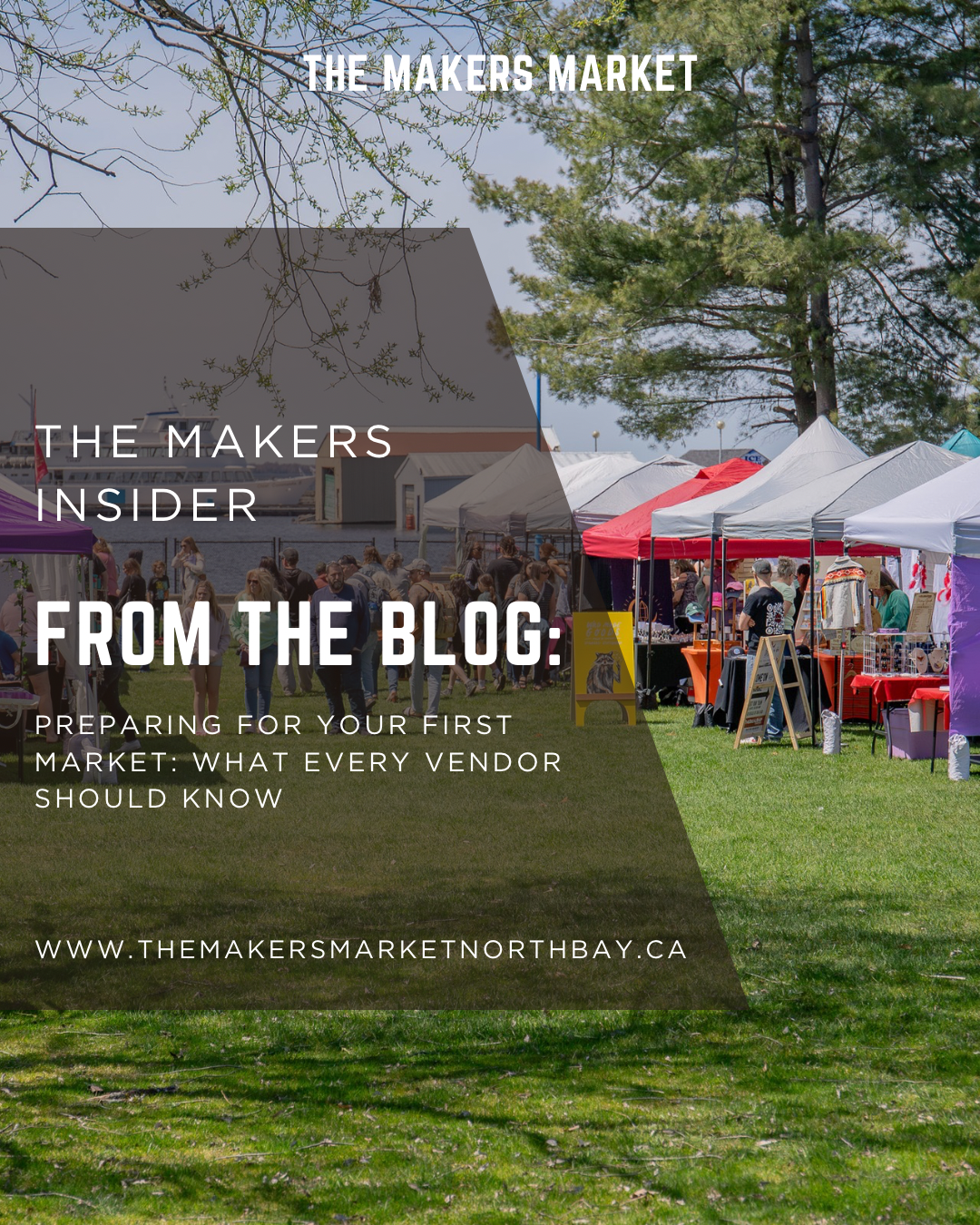
There’s nothing quite like your first market.
It can be exciting, nerve-racking, and a little overwhelming all at the same time. You’re taking something you’ve poured your time, creativity, and passion into and putting it out there for hundreds—or even thousands—of people to see.
For many makers, that first market is a huge milestone. It’s your opportunity to connect with customers, share your story, and gain valuable experience as a small business owner.
The key to having a successful first market? Preparation.
The more prepared you are, the more confident you’ll feel on event day, allowing you to focus on what really matters: connecting with customers and enjoying the experience.
We’re going to break this article down into simple steps to help you feel prepared before attending your first Makers Market event.
And if you’re already a regular market vendor, consider this your friendly reminder of the little things that can make a big difference on market day.
Let’s dive in!
Step 1: Before You Apply
Before you even submit your application, take the time to read it in full. We know it’s tempting to skim through and hit submit, but there are often important details included that will answer many of the questions vendors ask later.
Market applications typically include information about booth sizes, fees, setup times, product categories, vendor expectations, and event-specific requirements. Taking a few extra minutes to read everything carefully can help you determine whether the event is the right fit for your business and avoid surprises later on.
It’s also important to have the basics of your business in place before applying. This includes a business name, social media account, website, or another way for customers to find and connect with you.
As market organizers, we use these platforms to review your products and learn more about your business. Think of your social media as your portfolio. It gives organizers a chance to see your work, understand your brand, and determine whether your products are a good fit for the event.
You don’t need thousands of followers or a professionally designed website. What matters most is having a clear representation of your products and your business.
Step 2: What to Bring to Your Booth
A common mistake that can happen to anyone—whether it’s your first market or your fiftieth—is forgetting an important market essential.
One of the best habits you can develop as a vendor is creating a market checklist. Review it the night before every event and make sure everything is packed and ready to go. Trust me, there is nothing worse than arriving at a market and realizing your tablecloth, signage, or cash float is still sitting at home.
What you need to bring will vary depending on the event and location. Since we’re heading into summer market season, let’s focus on outdoor events.
Some booth essentials include:
- Tent
- Tent weights
- Tables
- Chairs
- Tablecloths
- Product displays
- Business signage
- Pricing signs
- Business cards
- Batteries or power banks
- Bags, boxes, or packaging for customer purchases
If you’re a food vendor, your list may also include things like a handwashing station, food-safe storage containers, and any required permits or supplies.
Payment Essentials
Make sure you have a cash float with plenty of change on hand. While many customers still carry cash, offering additional payment methods can make your business more accessible and help prevent missed sales.
Consider bringing:
- A Square Reader or debit machine
- A backup payment option such as e-transfer
- A fully charged phone or tablet
- Charging cables
- A portable battery pack or power bank
The last thing you want is to be unable to process a sale because your phone died or your card reader ran out of battery.
Don’t Forget the Comfort Essentials
Market days can be long, and while it’s easy to focus on your products and display, don’t forget to prepare for yourself too.
Make sure you bring plenty of water, a snack, and a chair so you can stay comfortable throughout the day. If you’re attending an outdoor market, proper footwear is a must. You’ll likely be on your feet for several hours, and comfortable shoes can make a huge difference by the end of the day.
It’s also important to dress for the season and the weather. Bring a jacket, layers, sunscreen, or rain gear depending on the forecast.
One thing we’ve learned from hosting outdoor markets is that the weather can change quickly. A sunny morning can turn into a windy afternoon, and temperatures can fluctuate throughout the day. Being prepared for different conditions will help ensure you’re comfortable, focused, and able to enjoy the experience no matter what Mother Nature has in store.
A Quick Note About Tent Weights
For our market days by the water, one thing I can’t stress enough is tent weights.
Just when you think your weights are heavy enough… go heavier.
Waterfront events can be absolutely beautiful, but they can also be windy. Even on days that seem calm during setup, the wind can pick up quickly throughout the day.
Not only do properly weighted tents protect your setup and products, but they also help ensure the safety of fellow vendors, customers, and event staff.
When in doubt, bring heavier weights than you think you’ll need. It’s always better to have them and not need them than need them and not have them.
Trust us on this one.
Step 3: Create an Inviting Display
This one is huge.
Your booth is more than just a place to put your products. It’s a reflection of your business, your style, and the experience you want customers to have when they stop by.
Take some time before market day to think about what your business offers and how you can reflect that in your booth setup. Your display should feel unique to you and your brand.
A few things to keep in mind:
- Place your best-selling or most eye-catching items near the front.
- Create elevation so everything isn’t sitting flat on the table.
- Make sure prices are easy to find.
- Keep your booth tidy and easy to browse.
- Use signage that clearly shows your business name.
- Think about the overall feel of your setup and whether it matches your products.
You don’t need the most expensive display or a picture-perfect booth to stand out. What matters is that customers can understand what you offer, see your products clearly, and feel invited to stop and browse.
A thoughtful setup can make a big difference in how people experience your business.
Step 4: Engage With Your Customers
One of the biggest advantages of attending markets is the opportunity to connect directly with customers.
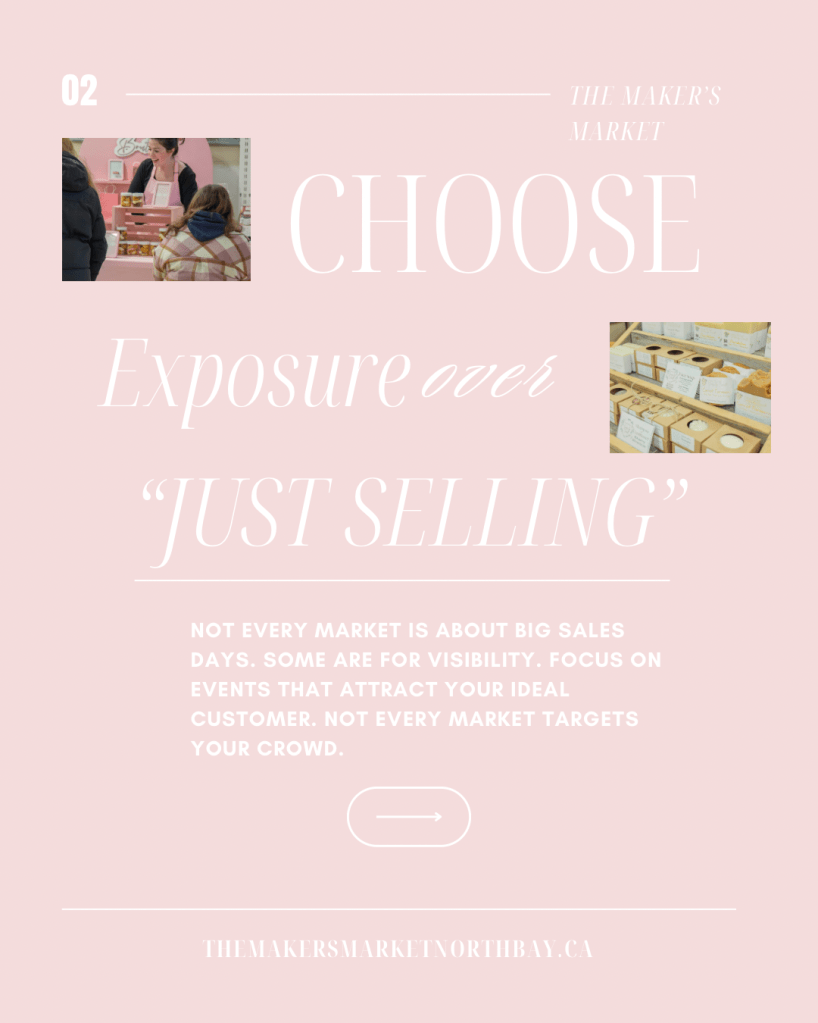
While making sales is always the goal, it’s important to remember that not every successful market experience is measured by what happens at the cash register. Sometimes it’s the conversations, connections, and exposure that end up being the most valuable.
Even if someone doesn’t make a purchase that day, they may take a business card, follow you on social media, recommend you to a friend, or come back to shop with you at a future event.
The way you present yourself at your booth matters. A friendly smile, welcoming attitude, and willingness to engage in conversation can make a lasting impression.
Customers love hearing the story behind a business. What inspired you to start? How do you make your products? What makes your business unique? These conversations help create connections that go far beyond a single sale.
Markets are about more than selling products—they’re about building relationships within your community.
The connections you make today could turn into loyal customers, referrals, and opportunities for your business down the road.
Step 5: Expect a Learning Experience
Many new vendors go into their first market thinking the goal is to sell out.
While that would be amazing, the truth is that every market is a learning opportunity.
Your first event is about so much more than sales. It’s a chance to gather information, learn about your customers, and figure out what works best for your business.
As the day goes on, take note of things like:
- Which products attract the most attention?
- What products sell the best?
- What questions do customers ask most often?
- How does your booth layout function throughout the day?
- What supplies would have been helpful to bring?
- What would you change for your next event?
Every market teaches you something new.
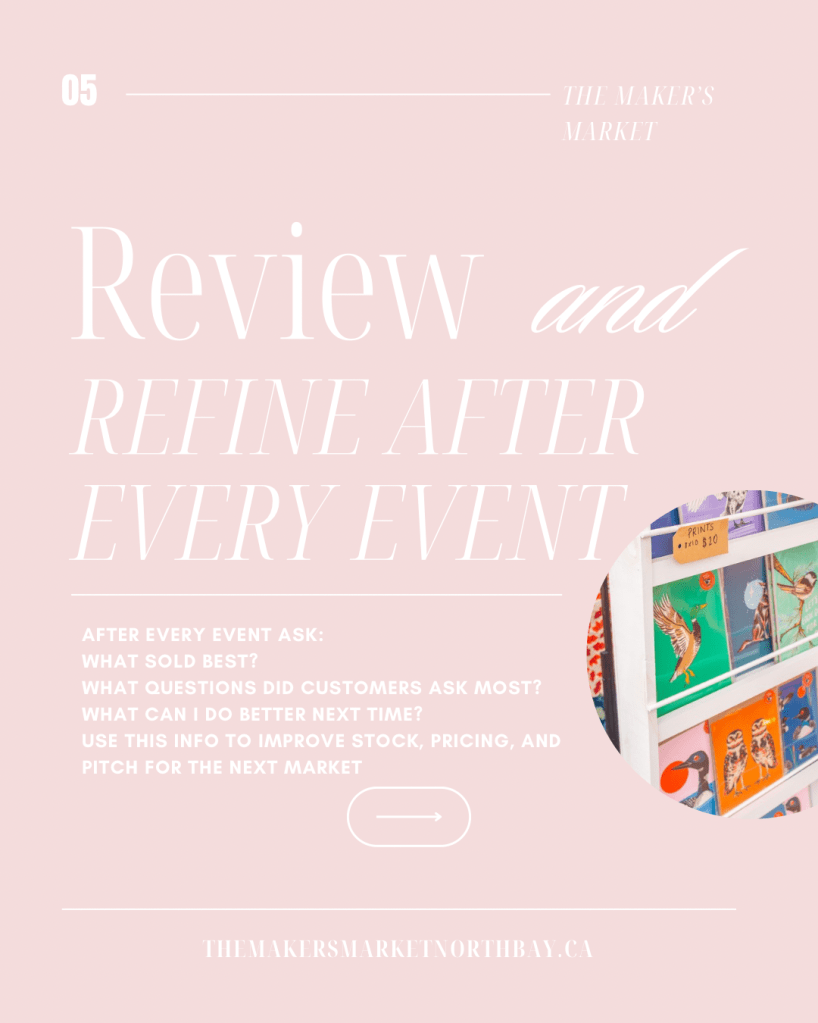
Maybe you’ll discover a product you thought would be a bestseller isn’t getting much attention. Maybe you’ll realize your pricing sign needs to be bigger, or that an extra table would improve your setup. These are all valuable lessons that help you grow.
The most successful vendors aren’t necessarily the ones who have everything figured out from day one. They’re the ones who continue to learn, adapt, and improve with every event they attend.
Take each market as an opportunity to refine your processes, improve your setup, and build confidence for the next one.
Final Thoughts
Your first market may feel overwhelming, but preparation can go a long way.
Hopefully this blog post has helped you think about a few things you may not have considered, or provided a helpful refresher if you’re already a regular market vendor.
Remember, success isn’t always measured by sales alone. Conversations, connections, new followers, business cards handed out, and lessons learned all help build a foundation for future growth.
Focus on creating a welcoming booth, connecting with customers, and learning from the experience. Every market is an opportunity to grow your confidence, refine your setup, and strengthen your business.
Most importantly, enjoy the experience and have fun.
You’ve already done the hardest part: taking the leap and putting yourself out there. Starting a business takes courage, and showing up to share your products with the world is something to be proud of.
This is just the beginning.




 themakersinsider.ca